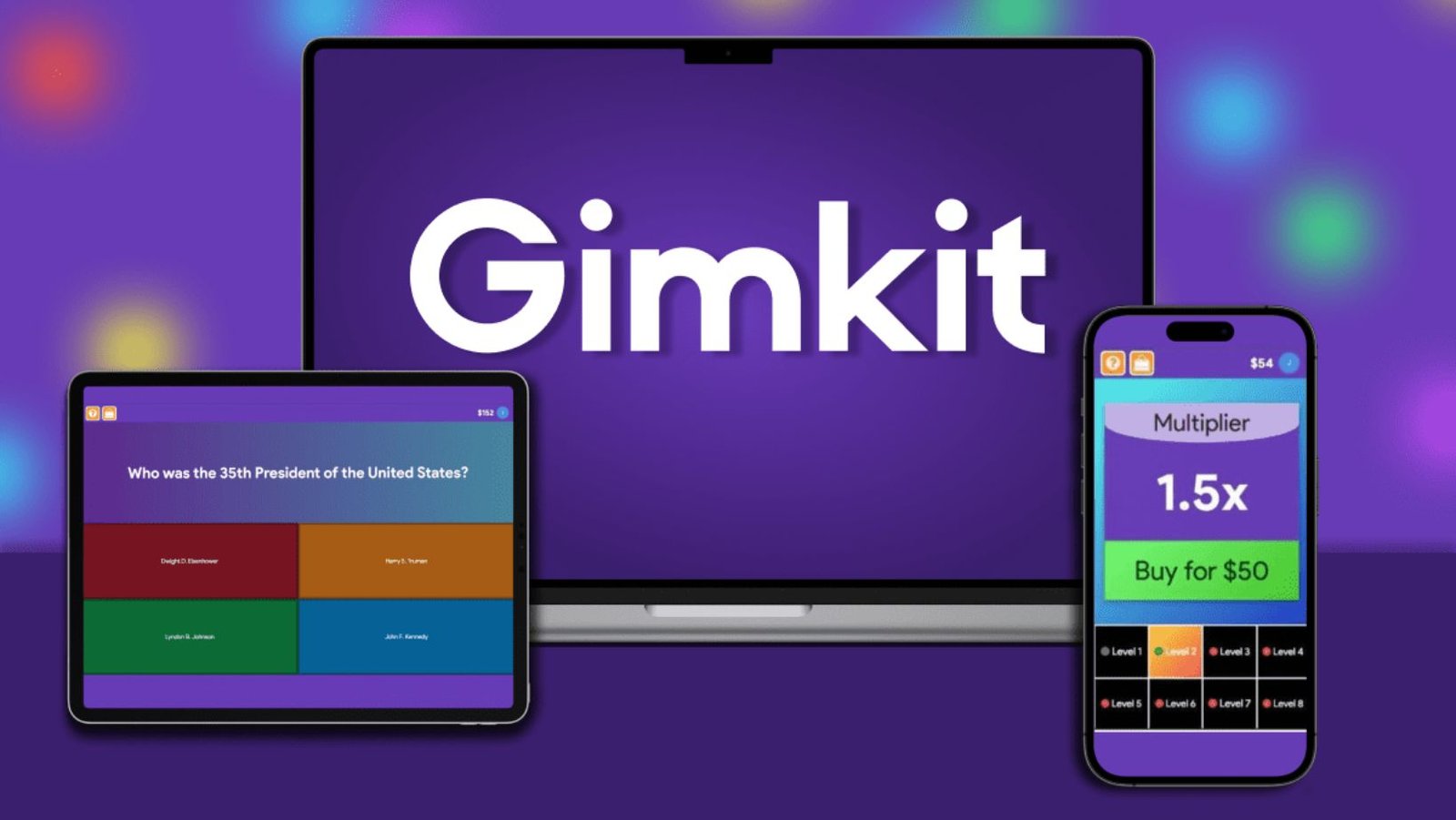
Online learning systems have transformed traditional classrooms, and among such tools, Gimkit is outstanding. It is modelled to integrate quizzes with gameplay to make a typical reviewing session a competitive, strategy-based game. In case you are considering the position of a Gimkit Host, this guide will require you to understand what it entails, how it functions, and how to utilize it in order to achieve better learning results.
Knowing the Work of a Gimkit Host
A Gimkit Host is the creator, initiator and moderator of a live Gimkit game. This is usually a teacher, but can also be tutors, trainers and even students. Hosting provides you with the ability to customize the learning experience, such as the nature of questions posed, the form of the gameplay, and the performance tracking system.
Gimkit, unlike traditional quiz software, lets the participant earn a virtual currency by responding correctly. The players are then able to use that currency in upgrades, multipliers, or power-ups. This further dimension of strategy contributes to the interest and dynamic nature of hosting as opposed to rudimentary question-and-answer sites.
How Gimkit Hosting Works
The first step to turning into a Gimkit Host is to create an account on it. Once signed in, you have the choice of either creating your own Kit (a set of questions) or use public Kits in the library.
After you have already prepared your Kit, the process of hosting usually involves the following steps:
- Select a game mode.
- Customize game settings.
- Launch the session.
- Disseminate the game code among the participants.
- See the progress as it goes on.
The students log in with the given code and start responding to questions using their devices. Being a host, you monitor the whole session using a live dashboard that shows the scores, earnings and the accuracy rates.
Customization and Game Modes
The ability to choose an appropriate game mode is one of the main tasks of a Gimkit Host. The various modes provide diverse experiences in the classroom. As an illustration, Classic mode emphasizes on individual competition, whereas Team mode encourages teamwork. Other modes bring in creative injections, stimulating strategic thinking with mastery of content.
Customization: This can be customized:
- Establishing a deadline or an objective.
- Controlling power-up access
- Adjusting earning rates
- Enabling or disabling music
- Managing player names
These are some of the options that may be used to ensure that the session is consistent with your lesson goals and classroom management philosophy.
Hosting Educational Advantages
There are different teaching benefits associated with hosting a Gimkit game.
Real-Time Assessment
You will immediately know what questions are problematic to students. This real-time feedback would enable you to correct the misconceptions as you proceed.
Higher Engagement Levels
Gamification is a motivating tool. Students normally shy to give their responses are likely to engage in the activity even more when they feel that there are points and an upgrade.
Differentiated Learning
Different speeds of learning are supported naturally by Gimkit because students take their own time to answer questions. Those learners that can learn faster can advance and those that learn slower can learn at a slower pace and not be rushed.
Data-Driven Instruction
Performance reports can also be reviewed by the hosts after the session is completed. These lessons can assist in the design of the further lessons and the discovery of the gaps in the knowledge.
Best Practices of successful Hosting
These are the practical strategies that you can employ to have the most impact in your capacity as a Gimkit Host:
- Make the sessions brief to stay on track.
- Be specific to learning outcomes.
- Promote good competitiveness as opposed to being overly competitive.
- Reconsider the erroneous responses as a group afterward.
- Switch to individual or team-based.
The art of hosting holds a balance between fun and academics. This is aimed at strengthening learning, rather than entertaining.
Application of Gimkit in Remote and Hybrid Environments
Gimkit is web based and it is suitable when taking an online class. Using video conferencing tools, hosts are able to share game codes and show leaderboards using screen sharing. This arrangement ensures the remote learners are connected and engaged even when they are not in a physical classroom.
Also, Assignment mode enables hosts to give games a homework. Students go through performing the activity on their own and the results are documented to be examined later. It is this flexibility that allows Gimkit to be used in the blended learning environment.
Typical Problems and Resolutions
Although hosting is a straight forward task, there are a few obstacles that might occur.Technical Problems: Have reliable internet connections and pre-test the platform prior to the start of the class.
Overexcitement: Set specific expectations of behavior in play
Time Management: There are time constraints that should be established to ensure that sessions are not too long.Most of the problems can be avoided by preparation and communicating effectively to make the game run smoothly.
The reason behind the uniqueness of Gimkit Hosting
Most quiz tools provide multiple choice tests, but Gimkit also includes those aspects of strategy that keep the interest going. The students are also motivated since they get directly affected by the correct answers in-game. This interactive model makes the process of reviewing something one is likely to remember.In addition, you can use hosting to customize gameplay to different subjects, such as math, science, languages, and social studies. Kits are flexible, meaning that almost any subject can be gamified.
Final Thoughts
To become a good Gimkit Host is not about just beginning a digital quiz. It involves careful planning, tactical personalization and after-game assessment. Gimkit can be used positively, enhancing engagement, offering useful evaluation information and establishing a positive learning environment when used appropriately.With a perfect understanding of the game modes, setting some settings to suit the goal, and a prudent use of information, you will be able to make mundane review sessions into an interactive learning journey. Practice makes hosting an efficient and pleasant method of reinforcing student knowledge at the same time keeping the classroom dynamic and attentive.