
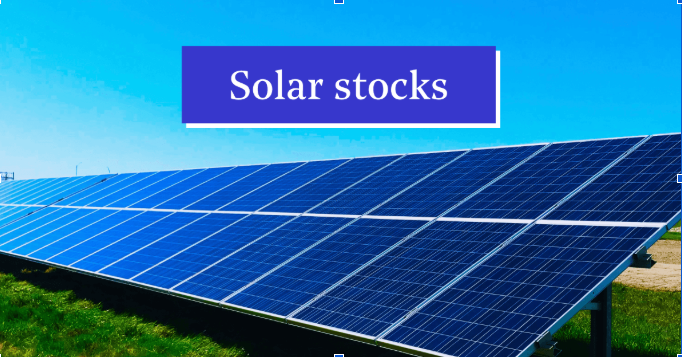
In a world where every penny counts and the quest for sustainable energy is becoming a priority, understanding investment opportunities can seem a bit overwhelming. With India rapidly expanding its solar energy infrastructure, investors are eyeing solar energy stocks as a solid option. But how do they stack up against broader energy stocks? And what does it mean for the Indian economy, especially for the highest tax payer in India? Let’s break it down in a simple, relatable manner.
The Need for Solar Energy in India
As India grapples with increasing power demands and environmental concerns, solar energy has emerged as a ray of hope. The government’s push toward renewable energy, combined with a wealth of sunlight, has made solar energy stocks increasingly attractive. No longer just a futuristic dream, solar power has solidified its place in the Indian energy market.
What are Solar Energy Stocks?
Before diving deep, let’s explain what solar energy stocks actually are. These are shares of companies involved in the production, distribution, or installation of solar power technology. Imagine investing in a company that’s literally helping to light up homes and businesses across the country using the sun’s power—that’s the beauty of solar energy stocks!
Exploring Broader Energy Stocks
Now, let’s balance the scale by looking at broader energy stocks. This category includes companies focused on oil, gas, coal, and other fossil fuels, along with renewables like wind and hydro. You might think, “Why should I care about fossil fuels if solar’s the future?” Well, often, these energy giants have established infrastructure and resources, which can provide stability in your investment strategy.
Performance Comparison: Solar vs. Broader Energy
When comparing solar energy stocks to broader energy stocks, performance is a crucial factor. Historically, fossil fuel stocks have provided consistent dividends due to their established status. However, the rise in awareness about climate change has made solar energy stocks increasingly popular, leading to significant appreciation in a relatively short time.
For instance, during the last few years, while some fossil fuel companies struggled with fluctuating oil prices, many solar energy stocks soared as industries and governments alike ramped up their sustainability efforts. The demand for solar installations grew in metro cities, urban homes, and rural areas alike—putting solar energy stocks on many investors’ radar.
The Role of Government Policies
Governmental policies play a huge part in shaping these markets. In India, with the ambitious target of achieving 100 GW of solar power installed by 2022, favorable policies have given solar energy stocks a significant boost. Subsidies, tax incentives, and easy financing options have created a thriving environment for solar energy investments.
On the flip side, broader energy stocks often deal with more regulatory hurdles and environmental scrutiny. This may affect their long-term viability. So, if you’re pondering investments, keep an eye on the political climate!
Risk Factors Involved
Now, let’s get real about risks. Investing in solar energy stocks may seem like a no-brainer, but every investment comes with risks. The solar sector, while promising, can be susceptible to technological advancements, shifting consumer preferences, and fluctuating government support.
On the other side, broader energy stocks have their own challenges—volatile oil prices and the global shift toward sustainability can cause significant market swings. For the prudent investor, understanding both sides helps strike a balance.
Returns on Investment
Okay, let’s talk about money, the part everyone loves! Returns on solar energy stocks can be impressive, especially as more countries shift towards renewable sources. High growth rates in this sector can translate into stellar stock performance.
But don’t forget about broader energy stocks. While they may offer lower growth potential, they often provide steady dividends that can be quite appealing. So, if you’re the type of investor who prefers steady income, don’t count them out.
The Impact on Tax Payers
Now, let’s circle back to our highest tax payer in India and how investments in these sectors might affect them. Solar energy companies often receive tax incentives that can help enhance profit margins. For the savvy investor, these benefits can translate to higher after-tax returns. Plus, with the growth of renewable energy, the government is facilitating investments into new technologies, which may lead to further personal and financial growth for tax payers.
On the other hand, traditional energy firms still pay significant taxes, contributing substantially to the economy’s revenue streams. Investors need to consider how policies on these sectors may impact overall taxation as the market changes.
Making Your Investment Decision
Ultimately, whether to invest in solar energy stocks or broader energy stocks boils down to your interests and risk appetite. If you’re enthusiastic about the environment and eager to invest in the future, solar energy stocks could be your jam. However, if you prefer tried-and-true sectors with a history of stability, taking a look at broader energy stocks or established financial companies such as Bajaj Finance isn’t a bad idea either.
Conclusion: Where To Go From Here
Navigating the landscape of energy stocks can feel like walking a tightrope, but understanding both solar energy stocks and broader energy stocks will lead you to a more informed decision. Remember, it’s not just about making a quick buck; it’s about investing wisely for the future.
In a world constantly leaning toward renewable energy and sustainability, solar energy stocks are an attractive option. But don’t dismiss the reliability of broader energy stocks entirely. The ultimate decision lies in aligning your values with your financial goals.
So grab your notepad, do your research, and gear up for a ride through the energy stock market. Happy investing—may your portfolio shine as brightly as those solar panels do! Learn more effective blogs.